Ethical Considerations in Deploying Autonomous Systems
The deployment of autonomous systems, such as self-driving cars and drones, raises profound ethical questions that society must address. These technologies promise increased efficiency and reduced human error, but they also introduce complex moral dilemmas and regulatory hurdles. As autonomous systems become more integrated into daily life, understanding the ethical landscape is crucial for responsible development and implementation.
This article examines key ethical considerations, including safety, accountability, and the moral decisions that autonomous systems may face. It also explores the regulatory challenges that governments and industry stakeholders must navigate. By analyzing these issues, we can better appreciate the intricacies involved in deploying autonomous systems.
Through a neutral and informative lens, we will discuss the frameworks and processes that guide ethical decision-making in this field. The goal is to provide a comprehensive overview that informs ongoing dialogue and policy development.
Moral Dilemmas in Autonomous Decision-Making
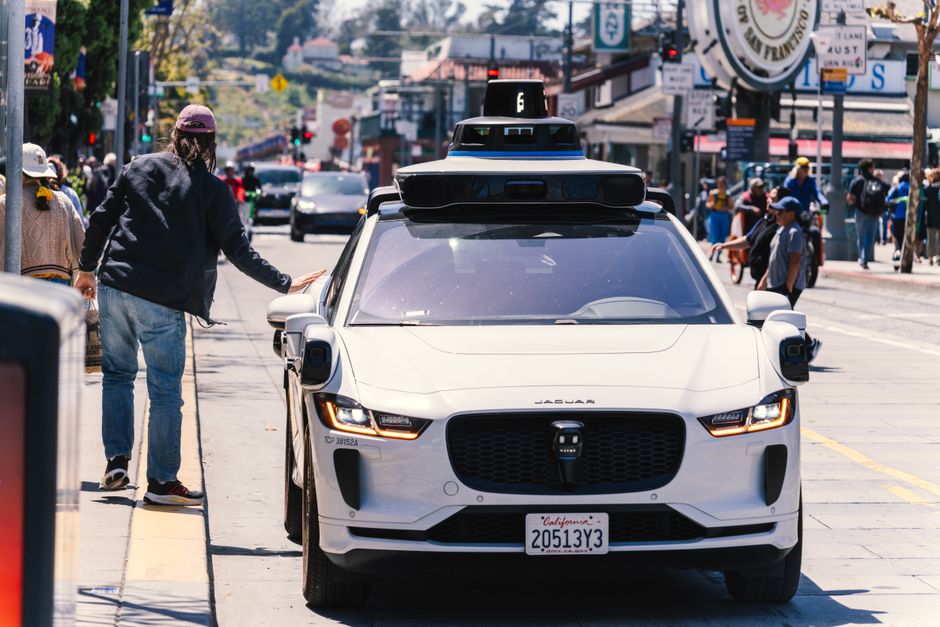
Autonomous systems often encounter situations where they must make split-second decisions with moral implications. For instance, a self-driving car might face a scenario where an accident is unavoidable, and it must choose between harming different parties. These dilemmas are reminiscent of the classic trolley problem, but they occur in real-time with limited information. Engineers and ethicists must program decision algorithms that prioritize certain outcomes, raising questions about whose lives are valued more. Such programming involves inherent biases and trade-offs that are difficult to justify universally. Moreover, the unpredictability of real-world scenarios means that no algorithm can cover every possible situation. Therefore, continuous ethical review and adaptation are necessary to align system behavior with societal values.
Drones present similar moral challenges, particularly in military and surveillance contexts. Autonomous drones may be tasked with identifying and engaging targets without human intervention. This raises concerns about accountability and the potential for misuse. The decision to deploy lethal force by a machine is fraught with ethical issues, including the risk of civilian casualties and the erosion of human judgment. In civilian applications, drones used for delivery or monitoring must balance privacy and safety. For example, a delivery drone might need to choose between crashing into a person or property, albeit with lower stakes than military scenarios. These decisions require careful consideration of harm minimization and ethical principles.
To address these dilemmas, some propose frameworks based on utilitarianism or deontology. However, applying philosophical theories to practical AI is challenging. Instead, a multidisciplinary approach that includes ethicists, engineers, and policymakers is essential. This approach can help identify acceptable trade-offs and ensure that autonomous systems operate within ethical boundaries. Transparency in decision-making algorithms is also critical, as it allows for public scrutiny and trust. Without such transparency, the deployment of autonomous systems may face resistance and legal challenges.
Regulatory Challenges and Oversight
The rapid advancement of autonomous systems has outpaced the development of comprehensive regulations. In the United States, federal and state agencies are grappling with how to oversee self-driving cars and drones. The National Highway Traffic Safety Administration (NHTSA) has issued guidelines for autonomous vehicles, but these are not legally binding. Similarly, the Federal Aviation Administration (FAA) regulates drones but faces challenges in enforcing rules for beyond-visual-line-of-sight operations. This patchwork of regulations creates uncertainty for manufacturers and operators, who must navigate varying state laws. A cohesive national framework is needed to ensure safety and accountability while fostering innovation.
One major regulatory challenge is determining liability in accidents involving autonomous systems. If a self-driving car causes harm, who is responsible: the manufacturer, the software developer, or the owner? Traditional liability frameworks are ill-equipped to handle such scenarios. Some suggest that manufacturers should bear strict liability, while others argue for a shared responsibility model. This debate has significant implications for insurance and risk management. Without clear liability rules, innovation may stall, and victims may struggle to obtain compensation. Therefore, lawmakers must develop new legal paradigms that reflect the unique nature of autonomous systems.
Another regulatory issue is data privacy and security. Autonomous systems collect vast amounts of data, including location, video, and sensor information. This data can be vulnerable to cyberattacks or misuse. Regulations such as the California Consumer Privacy Act (CCPA) provide some protections, but they may not fully address the complexities of autonomous systems. For instance, data generated by a self-driving car could be used to track individuals or infer sensitive information. Striking a balance between data utility and privacy is a key challenge. Policymakers must consider how to regulate data collection and sharing without hindering technological progress. International cooperation is also important, as autonomous systems operate across borders.
Safety and Accountability Mechanisms
Ensuring the safety of autonomous systems is paramount. Developers employ various methods to test and validate these systems, including simulation, closed-course testing, and on-road trials. However, no amount of testing can eliminate all risks. Therefore, safety mechanisms must be designed to handle unexpected situations. For example, self-driving cars often include redundant systems and fail-safes to minimize harm in case of failure. Drones may have geofencing and return-to-home features to prevent accidents. These mechanisms are essential but not foolproof. Continuous monitoring and updates are necessary to address emerging safety concerns.
Accountability is closely tied to safety. When autonomous systems cause harm, it is essential to determine what went wrong and who is responsible. This requires robust logging and auditing capabilities. Black box recorders, similar to those in airplanes, can capture data leading up to an incident. This data can be used to reconstruct events and assign accountability. However, access to such data raises privacy and proprietary concerns. Striking a balance between transparency and confidentiality is challenging. Some propose third-party auditors to ensure compliance with safety standards. Such measures can enhance trust but may also increase costs and complexity.
Industry self-regulation plays a role in promoting safety and accountability. Companies like NeuroSphere are developing ethical guidelines and best practices for autonomous systems. These efforts can complement government regulations and fill gaps. However, self-regulation alone may not be sufficient, as companies may prioritize profits over safety. Therefore, a combination of government oversight and industry initiatives is likely necessary. Professional organizations and standards bodies can also contribute by developing certification programs and technical standards. Ultimately, a multi-stakeholder approach is needed to ensure that safety and accountability are prioritized.
Societal and Ethical Implications
The widespread adoption of autonomous systems has broader societal implications. These technologies could reshape employment, mobility, and urban planning. For example, self-driving cars may reduce the need for parking spaces and change traffic patterns. Drones could revolutionize delivery services and emergency response. While these changes may bring benefits, they also raise concerns about job displacement and equitable access. Ethical deployment requires considering how these systems affect different communities. Vulnerable populations may be disproportionately impacted if autonomous systems are not designed inclusively. Therefore, public engagement and stakeholder involvement are crucial in decision-making processes.
Another ethical consideration is the potential for autonomous systems to be used for surveillance or control. Drones equipped with cameras and facial recognition can monitor public spaces, raising privacy concerns. Balancing security and civil liberties is a delicate task. Regulations must ensure that autonomous systems are used responsibly and do not infringe on individual rights. Moreover, the global nature of technology means that ethical standards may vary across countries. International dialogue and cooperation are necessary to establish common principles. Without such cooperation, autonomous systems could be deployed in ways that violate human rights.
Finally, the development of autonomous systems should be guided by ethical principles such as beneficence, non-maleficence, and justice. These principles can help evaluate the acceptability of different applications. For instance, a drone used for medical delivery in remote areas may be ethically justified, while one used for indiscriminate surveillance may not. Applying these principles requires ongoing ethical reflection and adaptation. As technology evolves, so too must our ethical frameworks. By fostering a culture of ethical awareness, we can harness the benefits of autonomous systems while minimizing harm.
Future Directions and Collaborative Efforts
Looking ahead, the ethical deployment of autonomous systems will require collaborative efforts across sectors. Governments, industry, academia, and civil society must work together to develop norms and regulations. Research into ethical AI and machine ethics can inform policy and design. For example, studies on value alignment aim to ensure that autonomous systems act in accordance with human values. Such research is still in its early stages but holds promise. Funding for interdisciplinary research is essential to address the complex challenges ahead.
Education and training are also important. Engineers and developers need to be aware of ethical issues and equipped with tools to address them. Integrating ethics into technical curricula can help foster a responsible mindset. Similarly, policymakers and regulators need to understand the technology to craft effective laws. Public awareness campaigns can educate citizens about the benefits and risks of autonomous systems. An informed public can participate in democratic processes and hold decision-makers accountable.
International standards and agreements can facilitate the safe and ethical deployment of autonomous systems. Organizations such as the International Organization for Standardization (ISO) are developing standards for autonomous vehicles and drones. These standards can promote interoperability and safety across borders. However, they must be flexible enough to accommodate different cultural and legal contexts. Ultimately, the goal is to create an environment where autonomous systems can thrive while upholding ethical values. This requires patience, dialogue, and a commitment to continuous improvement.